

Sarcouncil Journal of Medical Series

Sarcouncil Journal of Medical Series
An Open access peer reviewed international Journal
Publication Frequency- Monthly
Publisher Name-SARC Publisher
ISSN Online- 2945-3550
Country of origin- PHILIPPINES
Impact Factor- 3.7
Language- English
Keywords
- Pathology, Radiology, Serology, Surgery, Biochemistry, Biophysics, Cytology, Embryology, Endocrinology, Epidemiology, Genetics, Histology
Editors
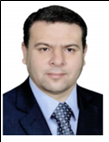
Dr Hazim Abdul-Rahman
Associate Editor
Sarcouncil Journal of Applied Sciences

Entessar Al Jbawi
Associate Editor
Sarcouncil Journal of Multidisciplinary

Rishabh Rajesh Shanbhag
Associate Editor
Sarcouncil Journal of Engineering and Computer Sciences

Dr Md. Rezowan ur Rahman
Associate Editor
Sarcouncil Journal of Biomedical Sciences
Dr Ifeoma Christy
Associate Editor
Sarcouncil Journal of Entrepreneurship And Business Management
Autoimmune Cytopenias in Rheumatic Disorders: Role of Rehabilitation in Functional Recovery
Keywords: Autoimmune cytopenias, hematological, and concomitant immunosuppressive therapies.
Abstract: Rheumatic diseases are complicated by autoimmune cytopenias (ITP, AIHA, Evans syndrome), which are also closely related to fatigue and inferior functional status. Functional recovery and morbidity related to disease may be facilitated through rehabilitation programs in this population. The purpose of the study was to determine the impacts of a 12-month rehabilitation program during the period of July 2024- July 2025 on hematologic parameters, fatigue, and functional status, quality of life, and corticosteroid requirements in adults with autoimmune cytopenias in rheumatic disorders. A cross-sectional trial of 109 autoimmune cytopenias (ITP, AIHA, and Evans) patients who had a 12-month structured rehabilitation program. Control data involved demographic, rheumatic diagnosis, form of cytopenia, hematologic, concomitant immunosuppressive treatment, and functional/quality-of-life (Fatigue Severity Scale [FSS], Health Assessment Questionnaire [HAQ], SF-36 PCS/MCS, and 6-minute walk test [6 MWT]). The baseline data indicated that the majority of females (77.1%), as well as those with systemic lupus erythematosus, had the largest proportion of the most common rheumatic diagnosis (62.4%). Baseline revealed that a majority of patients were taking corticosteroids (89.9%), and co-therapies such as mycophenolate, azathioprine, and rituximab were prevalent. Six months later, the observed changes comprised positive changes in hemoglobin (9.8 + 1.9) to 11.9 + 1.6g/dL; platelet count (85.4 + 61.3) to 121.8 + 55.2 x 10 9/L; and corticosteroid dose (25.4 + 14.2) to 12.1 + 10.5mg/day. After the Functional/QOL FSS reduced to 4.1 ± 1.5 instead of 5.8 ± 1.1; HAQ rose to 1.1 ± 0.6 instead of 1.6 ± 0.7; SF-36 PCS scaled to 41.8 ± 9.1 instead of 32.5 ± 8.4; SF-36 MCS had a scale of 46.5 ± 9.3 instead of 39.2 ± 10.1, and 6MWT In general, the proportion of participants who told of meaningful changes in mobility (71.6%), fatigue (75.2%), daily activities (68.8%), as well as mood/well-being (65.1%), was high. The adherence to the programs was also high at 89.9 percent of the participants who completed the entire course, and 87.2 percent of the program participants said the program was well-tolerated. A 12-month follow-up rehabilitation program has been linked with clinically significant changes in hematologic condition, fatigue, functional capacity, and quality of life in patients with autoimmune cytopenias, complicating rheumatic diseases, and allowing the corticosteroid-sparing effects. Such determinants of functional improvement were baseline fatigue, adherence, and more focused optimization of therapy.
Author
- Dr. Amjad Sabeeh Sayel
- M.B.CH.B. F.I.B.M.S. \ (Adult Clinical Haematology) Iraqi Ministry of Health Thi-Qar Health Directorate AL-Nasiriyah Teaching Hospital Thi-Qar Iraq
- Dr. Ehab Sabri Maseer
- M.B.CH.B. F.I.B.M.S. \ (Rheum & Med Rehab) Iraqi Ministry of Health Thi-Qar Health Directorate AL-Nasiriyah Teaching Hospital Thi-Qar Iraq
- Dr. Ahmed Mezaal Hussein Alhussein
- M.B.CH.B. F.I.B.M.S. \ (Rheum & Med Rehab) Iraqi Ministry of Health Thi-Qar Health Directorate AL-Nasiriyah Teaching Hospital Thi-Qar Iraq.